by jasonseo | Jul 10, 2026 | blogs
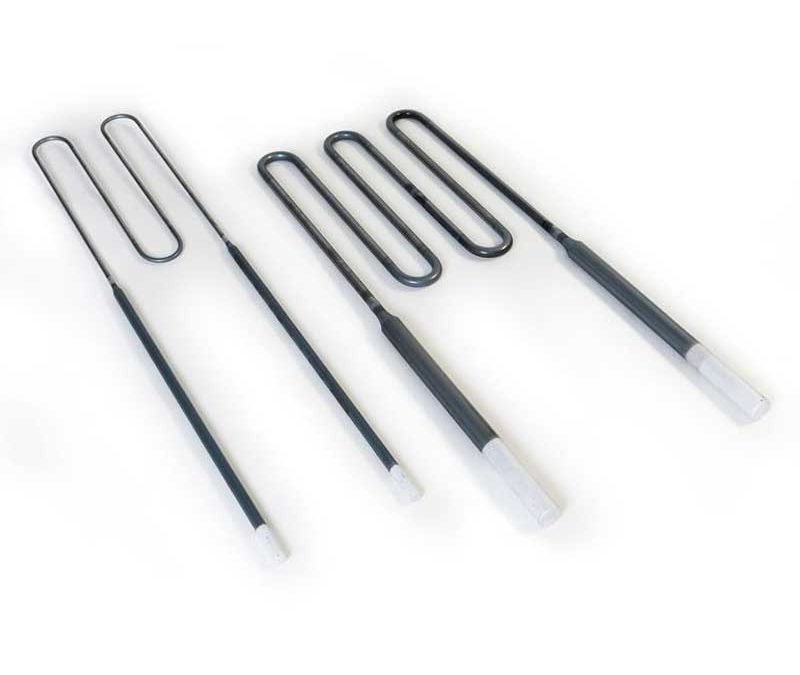
Most engineers expect high-temperature heating elements to fail at extreme heat. The reality is often the opposite. Molybdenum disilicide elements are remarkably stable at operating temperatures above 1000°C, yet they can crumble, crack, and disintegrate at...
by jasonseo | Jul 1, 2026 | blogs
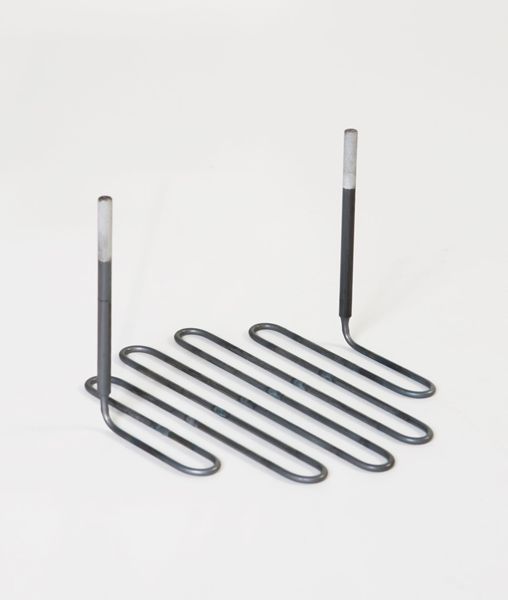
Glass manufacturing runs on precision. A temperature variance of just 5°C in a forehearth can compromise viscosity, affect forming behaviour, and send an entire production run off-spec. The heating elements sitting inside that forehearth are often the last thing...
by jasonseo | Jun 26, 2026 | blogs
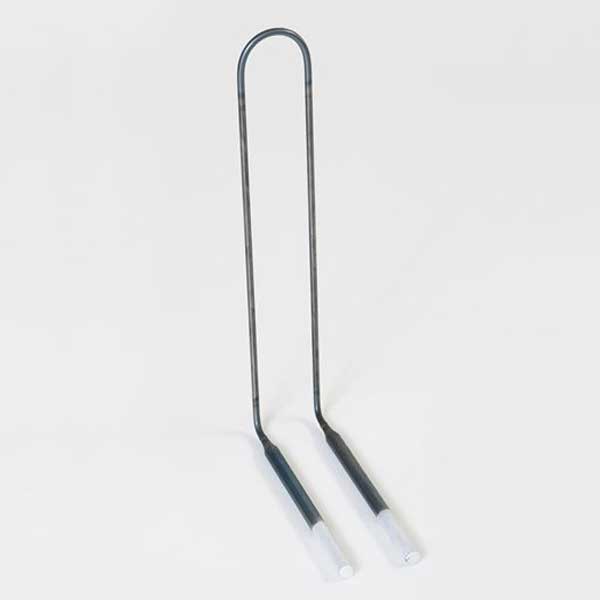
Undersized power components are one of the most common reasons high-temperature furnaces underperform or fail early. An engineer might specify a perfectly good set of heating elements, then pair them with a controller or transformer that cannot handle the load. The...

by jasonseo | Jun 12, 2026 | blogs
A furnace that held temperature perfectly six months ago is now struggling to hit setpoint. Nothing has visibly failed. The elements are intact, the thermocouples read correctly, and the transformer is functioning as expected. Yet output is down, and cycle times are...
by jasonseo | May 20, 2026 | blogs, News
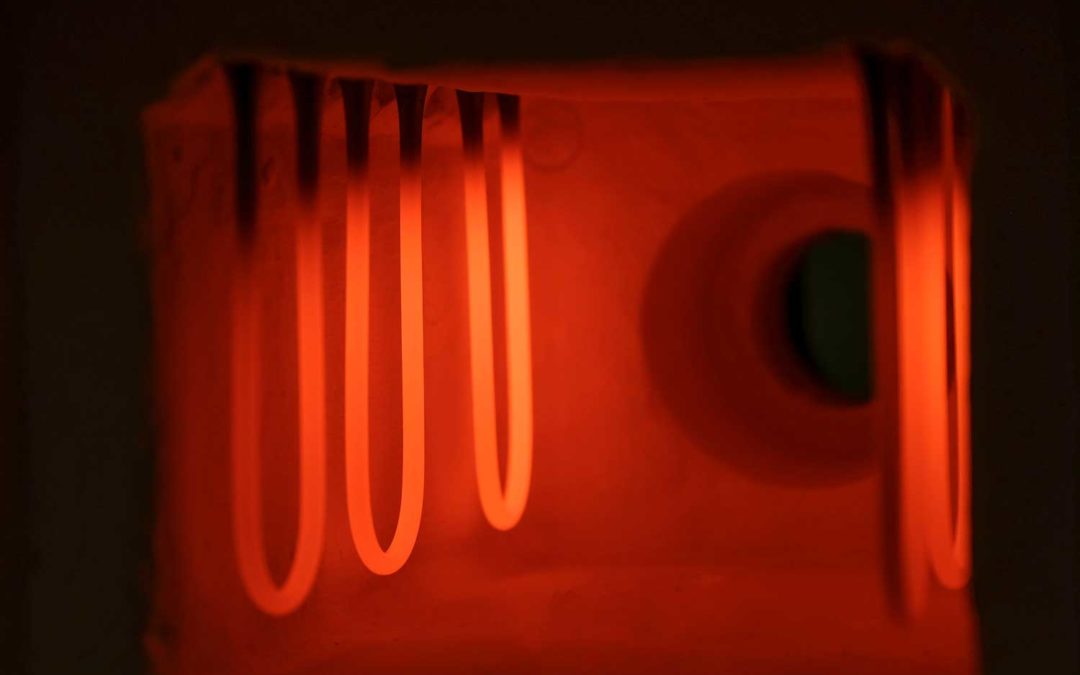
Furnace element selection rarely gets the attention it deserves until something fails mid-cycle. A hardening run ruined by an underperforming element, or a brazed assembly warped because heat distribution was uneven, can cost far more than the element itself ever...
by jasonseo | May 15, 2026 | blogs, News
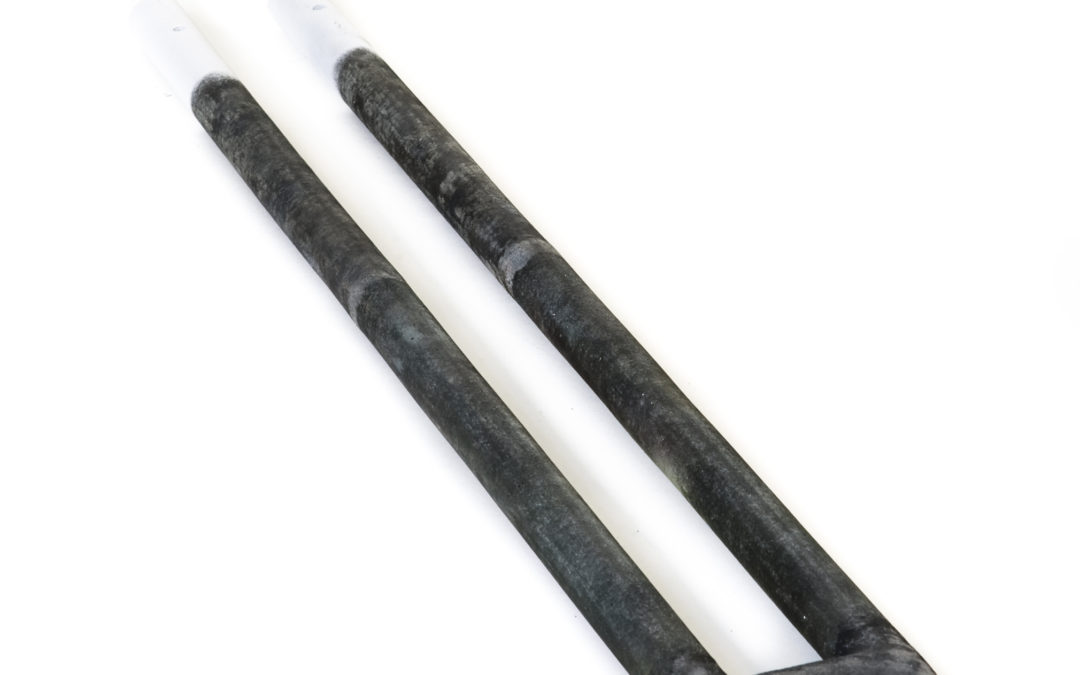
Silicon carbide heating elements can operate at temperatures that would destroy most metal alternatives, and they do it reliably, sometimes for years at a stretch. Yet two names dominate the field so completely that engineers and procurement teams frequently find...